Driven by Curiosity, Guided by Impact
Interview with Maya Rima from RespiriNTM
In this interview series, we spotlight early-career researchers from across the projects of the IMI AMR Accelerator. How did they find their way into antimicrobial resistance research? What drives their motivation, and what does a typical working day look like? We hope these insights will help other young researchers find their path — and perhaps inspire them to consider a career in AMR research themselves.
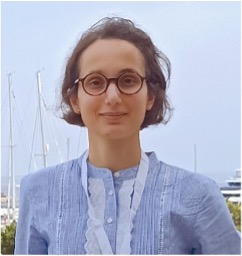
Maya Rima is postdoctoral researcher at Sorbonne Université, Centre d’Immunologie et des Maladies Infectieuses (Cimi-Paris), Paris, France
Can you tell us about your background and what inspired you to pursue research in AMR?
Since the beginning of my university studies in life sciences, I have been deeply interested in public health challenges, particularly infectious diseases, whose impact is increasing with the rise of antimicrobial resistance. This interest led me to pursue a PhD in this field, and I subsequently continued my research in the same area during my postdoctoral research, driven by the ongoing goal of contributing to advances in understanding and combating antimicrobial resistance.
What specific aspect of AMR does your research focus on?
My research focuses on the evaluation of novel therapeutic approaches to combat antimicrobial resistance in pathogenic bacteria. Within the framework of RespiriNTM project, my role focuses on conducting preclinical studies in murine models to assess the efficacy of new anti-mycobacterial compounds. A key aspect and challenge of my research work involves optimizing and validating reliable murine infection models that closely mimic human pathology and chronic disease progression.
How do you see your research contributing to the fight against AMR?
My research aims to contribute to the fight against AMR by facilitating the identification and optimization of novel antimicrobial compounds. Preclinical studies are critical in this process, as they provide detailed insights into the efficacy, optimal dosing, and safety of lead candidates within a living system. By developing a reliable and reproducible murine infection model, my work will enable robust evaluation of these compounds, supporting their rational optimization and accelerating their progression toward clinical development.
What does a typical workday look like for you?
A typical workday reflects my role as an experimental researcher. I usually begin by carrying out the experiments planned for the day, followed by data analysis. Some days are devoted to interpreting results and preparing scientific reports. Regular participation in internal discussions, as well as meetings with consortium members to discuss the project’s progress, is also an integral and valuable part of my work.
How do you balance your professional and personal life?
I believe in maintaining balance by working efficiently and making regular time to “recharge”, which is essential for sustaining high productivity. That’s why, when I’m not at work, I make sure to rest both mentally and physically, whether by spending quality time with friends or simply relaxing. A bit of meditation, listening to music, or watching movies and series also helps me recharge and maintain a healthy, balanced lifestyle.
How do you stay motivated and passionate about your work?
I stay motivated by constantly reminding myself of the impact my research can have. Arising obstacles and challenges in research are opportunities to learn and improve. So, I analyse the problem and seek suitable solutions based on existing knowledge, consulting expert researchers and colleagues, and reviewing relevant literature. Being part of a supportive team and contributing to meaningful projects keeps my curiosity alive and my motivation high, even when the work is challenging. And then, what could be more motivating and satisfying than working toward a successful experiment that advances meaningful progress in the project !? :)
What advice would you give to researchers or students interested in AMR?
READ, LEARN, COLLABORATE! My advice to myself and to other researchers or students would be to stay curious, keep learning continuously, collaborate actively, and preserve in your work. The field of AMR is challenging, but it is also extremely important and impactful.
What is the most important message you would want the public to understand about AMR?
AMR is a global threat, and we are all concerned. The misuse of antibiotics today puts the effectiveness of life-saving treatments at risk tomorrow. Responsible use of antibiotics, good hygiene practices, and greater awareness can make a real difference. Every individual action matters in slowing the spread and emergence of resistance. We must act together to protect our lives and those of future generations.